
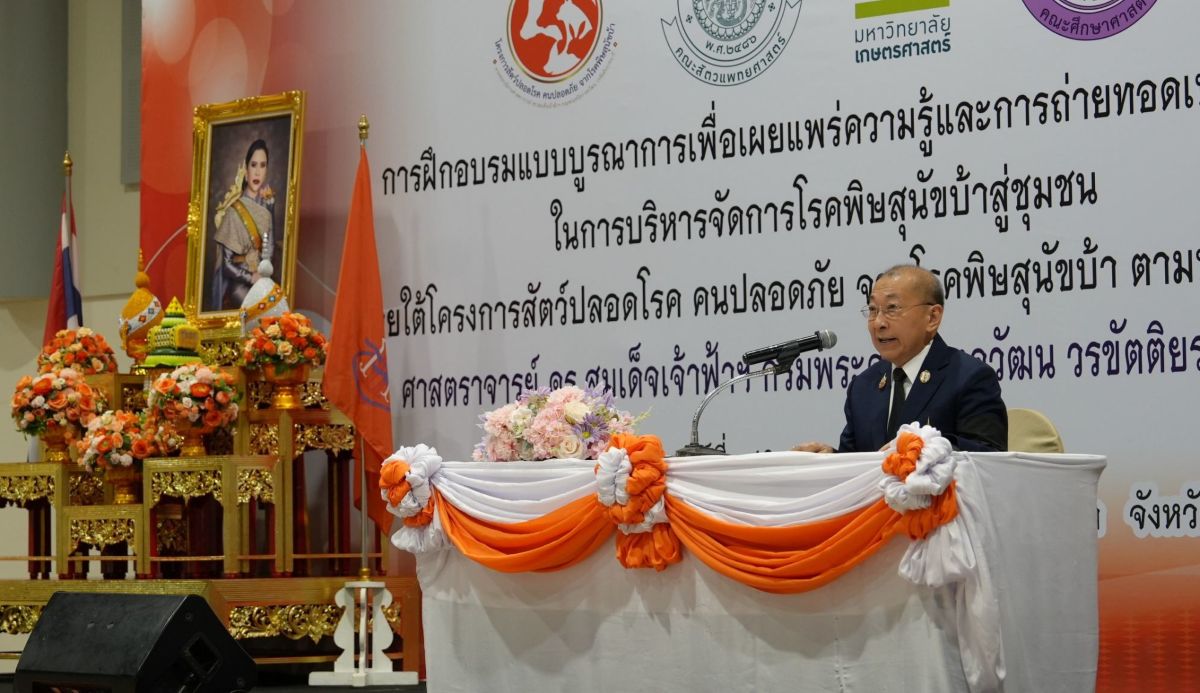
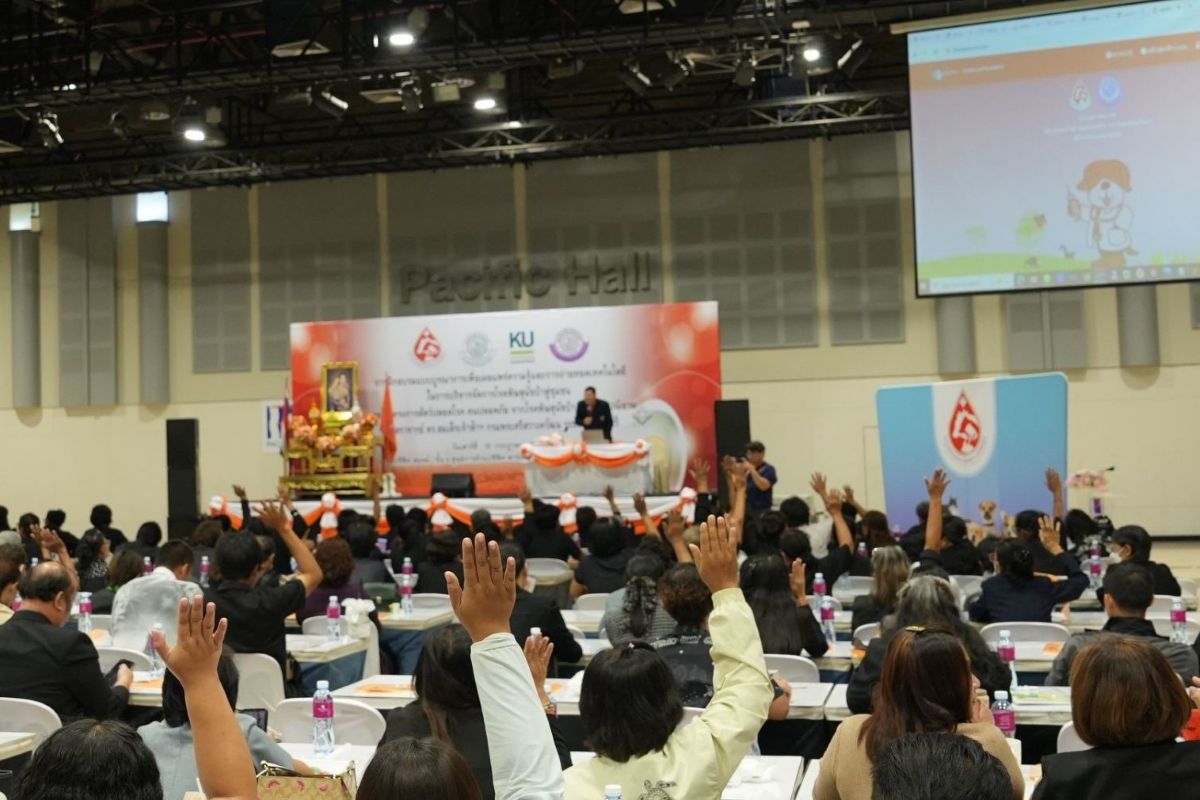
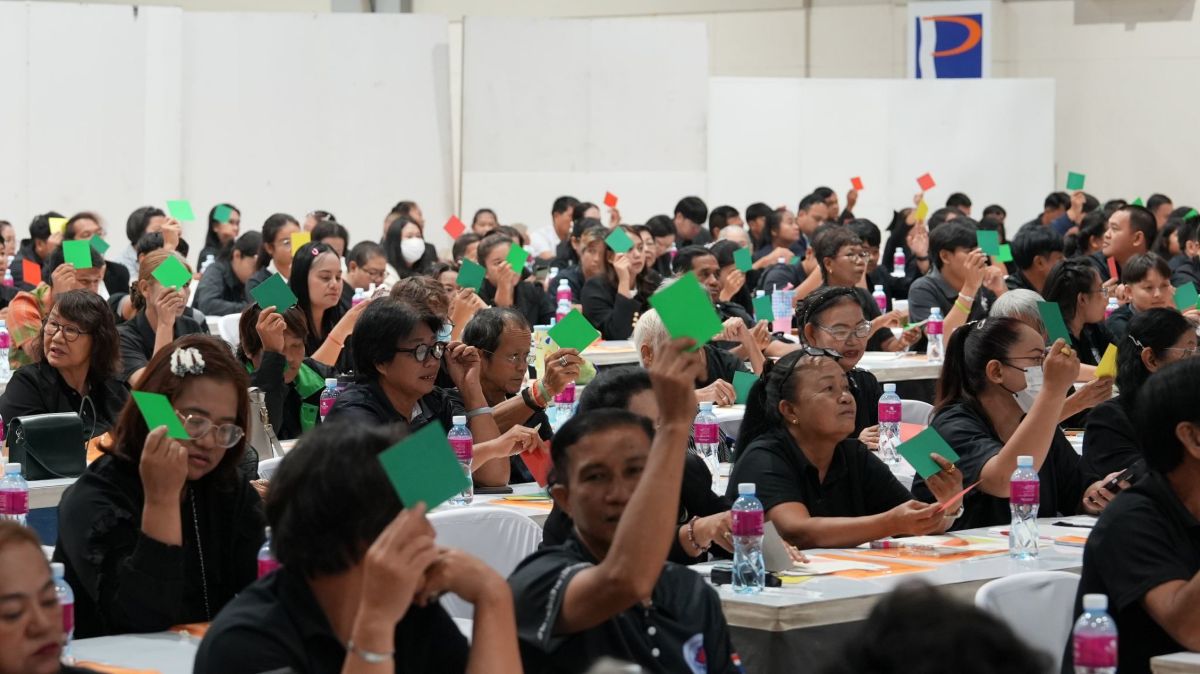
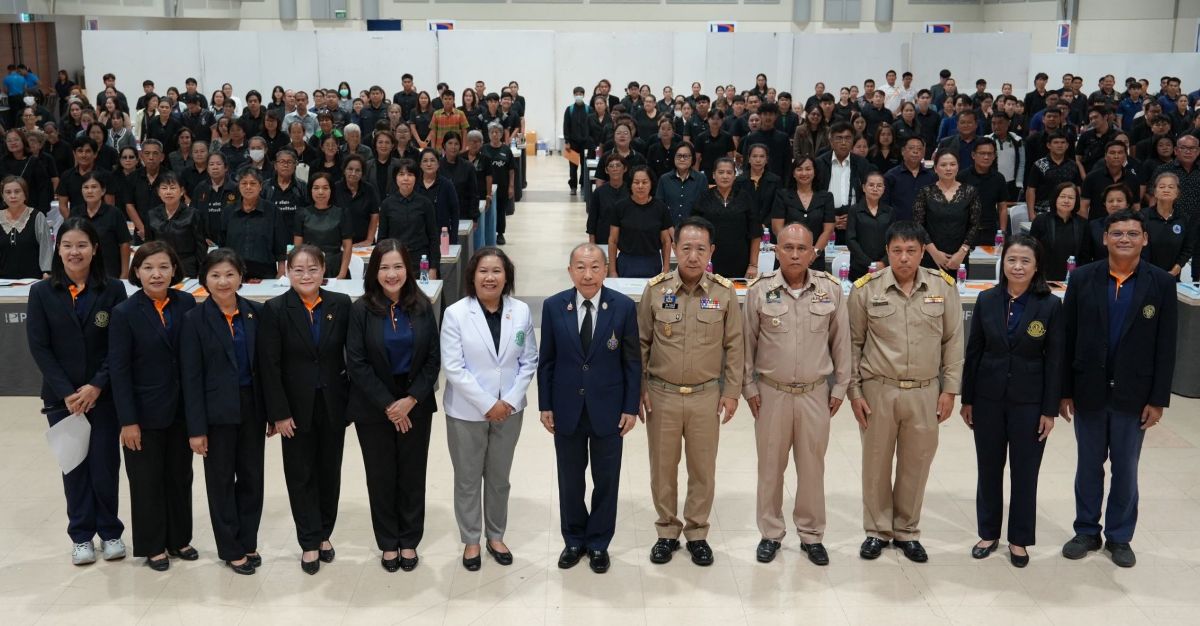
By Royal Command of Professor Dr. Her Royal Highness Princess Chulabhorn Krom Phra Srisavangavadhana, Vice President for International Relations of the Chulabhorn Research Institute Presides over the Opening Ceremony of the Integrated Training Project for Knowledge Dissemination and Technology Transfer on Rabies Management in Communities in Chonburi Province


Related Posts
30 Sep 2026
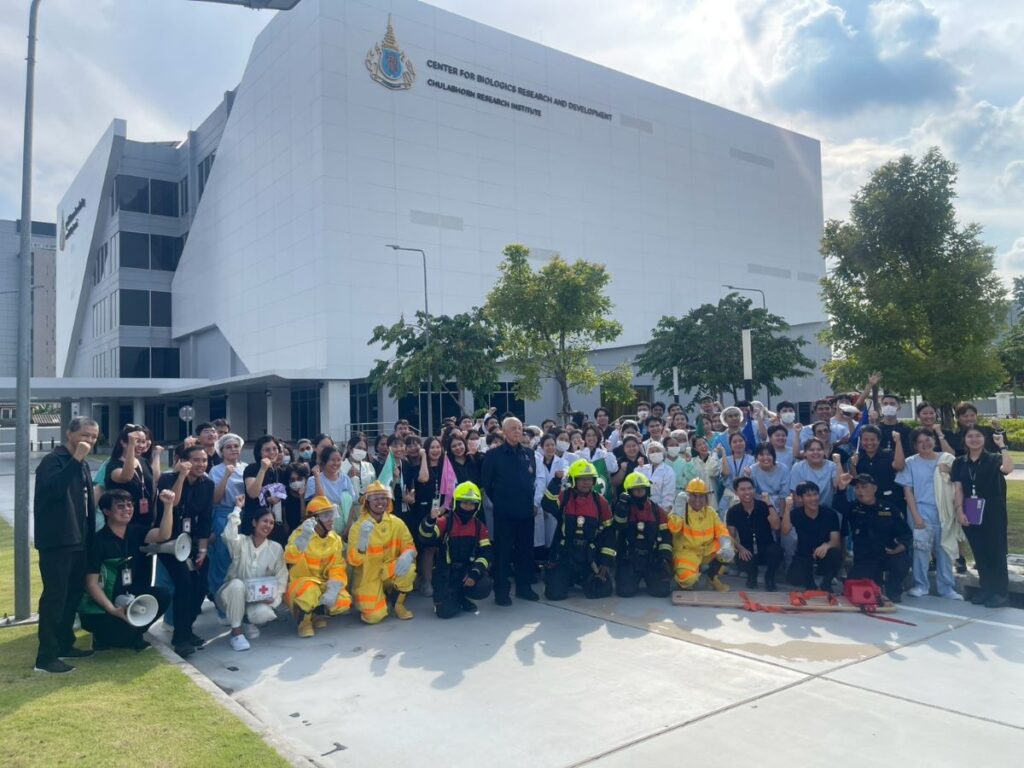
On September 22, 2026, the Center for Biologics Research and Development (CBRD), Chulabhorn Research Institute (CRI), through the Fire Prevention and Suppression Committee, organized a basic firefighting training course and fire evacuation drill for the 2026 Fiscal Year. The training was held for personnel working within the CBRD building to enhance their knowledge and skills in fire prevention and suppression in the event of an emergency. The CBRD of the CRI operates comprehensive research, development, and production of biologics and biopharmaceuticals, spanning from the laboratory scale to the pilot scale. Because the manufacturing process must operate continuously around the clock, the 24-hour presence of relevant personnel and researchers is required. Furthermore, the operations involve complex production equipment and support systems, alongside the potential use of materials and chemicals that carry a high risk of catching fire and spreading easily. Given these operational characteristics, preparing for life safety and asset protection is a critical mission that must be carried out continuously. For this training session, General Charn Boonpraserth, Vice President for Special Activities of the CRI and Chairman of the Fire Prevention and Suppression Committee, presided over the opening ceremony at Meeting Room 1, CRI Convention Center. More than 100 personnel working within the CBRD, including security officers, and contracted cleaning staff, attended the training. The CRI was honored to have...
View More

08 Sep 2026
On September 8, 2026, at 2:00 p.m., Lieutenant Chawat Artthayukti, Secretary-General of the Chulabhorn Foundation, presided over the 2026 Annual General Meeting of the Chulabhorn Foundation Board of Directors. The Foundation’s board members attended the meeting both on-site at Meeting Room R117, 1st Floor, Chemistry Research Building, Chulabhorn Research Institute, and via video conference. The meeting was held to review the Foundation’s operational performance, progress, and key issues related to advancing its missions. During the meeting, significant agenda items were discussed and acknowledged. These included the Chulabhorn Foundation’s 2025 operational report, the 2025–2026 reports on patients under the Foundation’s royal patronage, royal scholarships, and royally bestowed equipment, as well as the 2025–2026 report on the publication of the Chulabhorn Foundation Journals. The board also discussed preparations for the 6th Royal Trophy Charity Golf Tournament, the status of the Hathaitip Fund under the Chulabhorn Foundation, and the Foundation’s recent participation in setting up booths at major events, namely the Pramong Nomklao Fair 2026 and the Royal Project 57 Fair 2026. This 2026 Annual General Meeting served as a platform to jointly consider operational directions for the Foundation, ensuring alignment with its mission to assist the public across various dimensions. These efforts encompass caring for impoverished and underprivileged patients, providing educational opportunities, aiding disaster victims and those affected by epidemics, and supporting...
View More
Recent Posts
30 Sep 2026
On September 22, 2026, the Center for Biologics Research and Development (CBRD), Chulabhorn Research Institute (CRI), through the Fire Prevention and Suppression Committee, organized a basic firefighting training course and fire evacuation drill for the 2026 Fiscal Year. The training was held for personnel working within the CBRD building to enhance their knowledge and skills in fire prevention and suppression in the event of an emergency. The CBRD of the CRI operates comprehensive research, development, and production of biologics and biopharmaceuticals, spanning from the laboratory scale to the pilot scale. Because the manufacturing process must operate continuously around the clock, the 24-hour presence of relevant personnel and researchers is required. Furthermore, the operations involve complex production equipment and support systems, alongside the potential use of materials and chemicals that carry a high risk of catching fire and spreading easily. Given these operational characteristics, preparing for life safety and asset protection is a critical mission that must be carried out continuously. For this training session, General Charn Boonpraserth, Vice President for Special Activities of the CRI and Chairman of the Fire Prevention and Suppression Committee, presided over the opening ceremony at Meeting Room 1, CRI Convention Center. More than 100 personnel working within the CBRD, including security officers, and contracted cleaning staff, attended the training. The CRI was honored to have...
View More