Professor Dr. Her Royal Highness Princess Chulabhorn Mahidol, President of the Chulabhorn Research Institute (CRI), has unwaveringly dedicated Herself to continuing the commitments of His Majesty King Bhumibol Adulyadej The Great and Her Majesty Queen Sirikit The Queen Mother to providing medicine and public health services to all Thai people and all animals. Under Her Royal Highness’s benevolence, these efforts aim to enhance their happiness and well-being. Her Royal Highness has administered activities to increase the capabilities of healthcare, and prevention and solutions to the public health issues of the people. Since 2016, Her Royal Highness has directed HRH Princess Chulabhorn’s project on “Disease-free Animals, Safe Humans from Rabies”. Recognizing the importance of improving quality of life by campaigning for people’s good health, as well as prevention and control of rabies, in 2023, the President of the CRI started such campaign in the south, stationing at Suratthani Rajabhat University in Surat Thani Province and at Walailak University in Nakhon Si Thammarat Province, from January 15-17, 2023. During the mission, Her Royal Highness directed the Princess Mother’s Medical Volunteer Unit (PMMV) in Surat Thani and Nakhon Si Thammarat Provinces, from Provincial Public Health Offices and local hospitals with their teams of doctors, nurses, and medical personnel, equipped with expertise and resources, to provide services to local people, including registration, patient history...
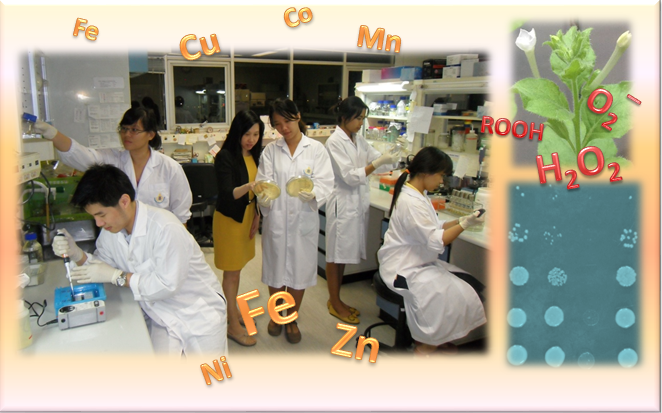
Plants have mechanisms to protect themselves from bacterial invasion by sequestering essential metals like iron to create low iron environments. Moreover, plants also generate high levels of reactive oxygen species such as H2O2 and superoxide radicals, which are used as an important initial defense mechanism to inhibit bacterial proliferation during infection. Due to both the necessity of iron for physiological functions and also the toxicity of excess iron resulting from the formation of iron-catalyzed reactive oxygen species, iron homeostasis is tightly regulated in bacteria to ensure survival. The research aims at characterization of the iron-sensing transcriptional regulators, RirA (rhizobial iron regulator) and Irr (iron response regulator) from the phytopathogen Agrobacterium tumefaciens, in order to better understand mechanisms used by bacteria to satisfy their iron demand and prevent iron-induced toxicity. It is also of interest to search for novel physiological roles of RirA and Irr beyond iron regulation and study the interplay between RirA, Irr and other transcriptional regulators to mediate the regulation of gene expression in response to diverse stressful conditions. The research will provide insight into functional roles as well as the impact of these regulators on the survival of A. tumefaciens during plant-pathogen interactions. RirA and Irr are found exclusively in members of alphaproteobacteria, including plant, animal and human pathogens. Therefore, information on the specific regulatory functions of...
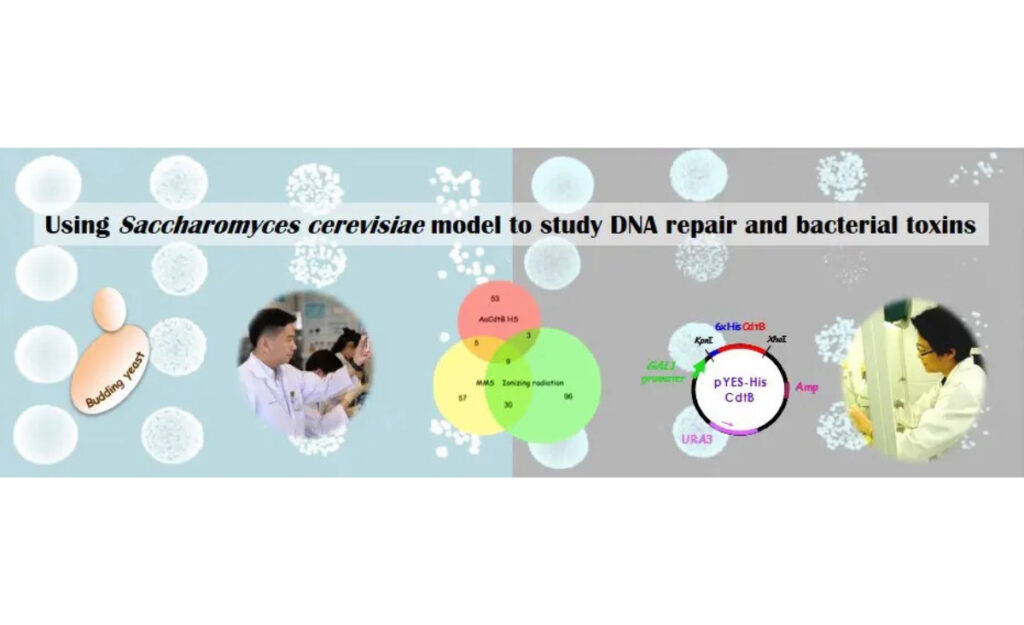
The budding yeast Saccharomyces cerevisiae is a powerful model organism for the studies of basic molecular cell biological processes. Most of these basic processes are highly conserved, making the findings in yeast applicable to higher eukaryotes. Here, we exploit the powerful genetic system and numerous genomic tools in yeast to investigate the mechanisms of bacterial toxins in eukaryotic host cells. We also use yeast to perform functional analysis of disease-related mutations in human genes and to investigate antifungal mechanisms of natural products. Characterization of cytotoxic mechanisms of a bacterial genotoxin called Cytolethal Distending Toxin (CDT) from Aggregatibacteractinomycetemcomitans: We use both candidate and genome-wide approaches to investigate the role of host genes in the cytotoxic effect of CdtB, the catalytic subunit with homology to DNase. We conditionally express CdtB from a galactose-inducible plasmid in yeast strains with various gene mutations and in the yeast deletion library. Our findings show that genes involved in homologous recombination repair of DNA double strand breaks are necessary for cell survival upon CdtB intoxication, confirming the role of CdtB as a genotoxin. The genome-wide screens in the yeast deletion library allow us to gain further insights into the mechanisms of CdtB. Identification of novel toxins from an anaerobic pathogenic bacteria: Several pathogenic bacteria translocate effector proteins into host cells as virulence factors, however the genes encoding...
Microbial Source Tracking (MST) methods for the detection of fecal pollution in water:Fecal contamination in water resources has become a problem of i ncreasing concern worldwide. Human pathogens and antibiotic resistant bacteria that are present in fecal material and wastewater can contaminate water and pose a risk to public health. However, current fecal pollution detection methods test for the presence of fecal contamination, but cannot distinguish what type of animal was the ultimate source. MST is an approach to identify fecal sources that contaminate bodies of water through the detection of enteric microorganisms that are specific to a particular host, such as humans, pigs, cows, goats, horses, or groups of similar animals, like ruminants and birds. By identifying the sources of fecal pollution, MST can greatly facilitate the management of polluted bodies of water, thus reducing public health risks and promoting environmental sustainability (Figure 1). The laboratory conducts research involving: the development of methods for measuring MST markers in laboratories and the characterization of different types of MST markers that can be used to identify specific sources of contaminants. These novel methods are then field tested in problem areas around Thailand. This involves the optimization of sampling techniques in the field and assessing the health risks of exposure to contaminated water. Ultimately, the research goals are to expand disciplinary knowledge...
Antimicrobial resistance (AMR) is a global threat to human health and is recognized as a silent pandemic. A recent report in 2019 revealed that deaths associated with bacterial AMR number 4.95 million per year worldwide, including 1.27 million directly attributable to AMR. Since penicillin was discovered, many types of antibiotics have been used to successfully treat infectious diseases. However, these achievements are now at risk mainly because of the overuse or misuse of antimicrobials, leading to the emergence and spread of antibiotic resistant bacteria. AMR bacteria are not only confined to health care settings. They have spread to the environment and have been isolated from human-associated animals, including companion pets, livestock, and farmed fish. Given the increased risks to human health that this spread presents, a multidisciplinary “One-Health approach” is required to solve the problem. In accordance with the mission of the CRI to improve the quality of life through the use of Science and Technology, AMR is one of the primary research focuses of the Laboratory of Biotechnology. To better understand the extent and causes of AMR, the levels of AMR bacteria and their potential drivers are monitored in the environment and food supply. A CRI research team along with collaborators in the United Kingdom (UK) led by the University of Bristol has received a Global Challenge Research Fund...
Nosocomial, or hospital-acquired, infections are an important problem worldwide that affects both developed and developing countries. Nosocomial infections are a major cause of mortality in patients admitted to the hospital and have become a public health problem. Multidrug resistant bacteria are commonly the causative agents of nosocomial infections. These infections are difficult to treat and often require the use of new generation antibiotics, which are highly expensive. The research that is being conducted in the Laboratory of Biotechnology is performed using the bacterial species: Pseudomonas aeruginosa and Stenotrophomonas maltophilia. These pathogens, which are often multidrug resistant, are among the most common causal agents of nosocomial infections in Thailand. Research is being conducted to characterize the novel mechanisms underlying multidrug resistance in these bacteria using genetic engineering techniques to isolate genes that are involved in antibiotic resistance. The results of the research can aid in the identification of new drug targets. The Laboratory of Biotechnology has discovered the novel multidrug efflux transporters, MfsA and MfsQ, from S. maltophilia. MfsA contributes to the transport of several groups of antibiotics, especially those belonging to the fluoroquinolones, out of the bacterial cells, thereby rendering S. maltophilia resistant to multiple antibiotics (Fig. B). MfsQ also functions as an efflux transporter and is involved in bacterial resistance to quaternary ammonium compounds, which are widely used...
The Laboratory of Biotechnology is also interested in genes that contribute to bacterial pathogenesis. During infection, bacteria have to evade and defend against host immune responses. White blood cells, such as macrophages and neutrophils, are the key players in the host innate immune response to infection (Fig. A). These cells generate reactive oxygen and nitrogen species in order to kill invading bacteria. The Laboratory is focused on the study of the genes and enzymes that bacteria use to protect themselves from reactive oxygen species. A more complete understanding of these bacterial defense mechanisms will contribute to one of the laboratory’s main goals, which is to gain insights that can lead to the development of more effective treatments for bacterial infections. One active area of research involves the study of how t-RNA modifications by enzymes such as the methylase, TrmB, increase the translation rate of mRNAs encoding oxidative stress defense proteins such as catalases (Fig. C). The proteins involved in these processes, such as TrmB, are not found in humans and are therefore attractive targets for the development of novel antibacterial therapies. Other lines of enquiry are probing the relationships between oxidative stress and the expression of xenobiotic and antibiotic efflux pumps. Studies of the effect of environmental stresses on bacterial pathogenicity and resistance to antimicrobial compounds are also ongoing. Figure....
Attention has been drawn to recent reports circulated widely on social media and online news outlets concerning a Thai scholar who allegedly purchased research works and had them published in academic journals. The case may have led the public to mistakenly believe that the individual in question is affiliated with the Chulabhorn Research Institute (CRI). The CRI would like to clarify that the scholar mentioned was neither a researcher nor an employee of the CRI. Furthermore, the CRI had no involvement in the publication of the research works in question. The CRI totally disapproves any practice involving the purchase of authorship for the sole purpose of gaining credit in a published work. Such actions constitute a blatant violation of disciplines and ethical standards in the research circle. The Chulabhorn Research Institute has always adhered to the researcher ethics and practices, as set forth by the National Research Council of Thailand, with strict ethics in conducting research and disseminating research findings at the international level. This clarification is issued to provide accurate information to the public and prevent any misunderstanding that could potentially harm the CRI’s reputation and tarnish its esteemed image. Chulabhorn Research Institute January 12, 2023
On December 27, 2022 at approximately 1.30 p.m., by Royal Command of Professor Dr. Her Royal Highness Princess Chulabhorn Mahidol, President of the Chulabhorn Research Institute (CRI), the CRI hosted an ordination ceremony as a merit-making act in dedication to Her Royal Highness Princess Bajrakitiyabha Narendiradebyavati for Her Royal Highness’s speedy recovery from illness and good health, in the main hall of Wat Phra Si Mahathat Wora Maha Viharn, Bang Khen District, Bangkok. Assoc. Prof. Dr. Chusak Limsakul, Vice President for Administration, Building and Grounds of the CRI and Chairman of the ceremony, together with other CRI executives and employees, attended the ceremony. This ordination in dedication to Her Royal Highness Princess Bajrakitiyabha Narendiradebyavati lasted from December 27, 2022 to January 10, 2023, for the duration of 15 days. Phra Phrom Muni (Boonruang Punyachoto), the Abbot of Wat Phra Si Mahathat Wora Maha Viharn, kindly officiated the ordination ceremony. Seven CRI employees in total were ordained as Buddhist monks to express their gratitude for Her Royal Highness’s significant contributions to the nation and the Thai people. As a gesture of loyalty, they would also practice meditation, the highest form of worship that could be physically practiced by Buddhists, in dedication to Her Royal Highness and to uphold Buddhism. Public Relations Section, Office of the President, and Genaral Administration Division, Office...
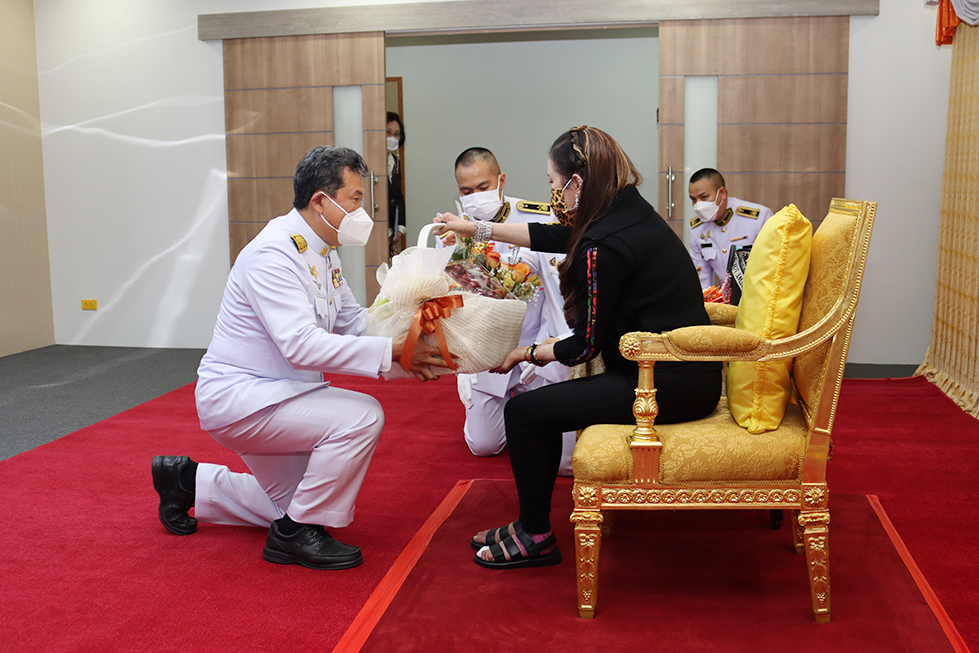
On December 28, 2022 at 2.09 p.m., in the HM Queen Sirikit’s 80th Birthday Anniversary Building, at the Faculty of Veterinary Medicine, Kasetsart University, Bangkhen Campus, Professor Dr. Her Royal Highness Princess Chulabhorn Mahidol graciously granted audiences to Mr. Suttipong Juljarern, Permanent Secretary for Interior, and Dr. Wandee Khunchornyakong Juljarern, President of the Ladies Association of the Ministry of Interior, and delegation, to humbly present donation to the Chulabhorn Foundation and the Tippimarn Foundation for Sick and Homeless Animals under the Royal Patronage for public assistance activities to improve the quality of life and well-being of the Thai people, as well as of sick stray, abandoned, and homeless animals so that they would be efficiently treated and could safely live close to humans. Public Relations Section Office of the President December 28, 2022
We use cookies to improve performance. and good experience using your website. You can study details at Cookies policy and can manage your own privacy by clicking on Settings
Necessary cookies are absolutely essential for the website to function properly. These cookies ensure basic functionalities and security features of the website, anonymously.
Analytics
Analytical cookies are used to understand how visitors interact with the website. These cookies help provide information on metrics the number of visitors, bounce rate, traffic source, etc.